

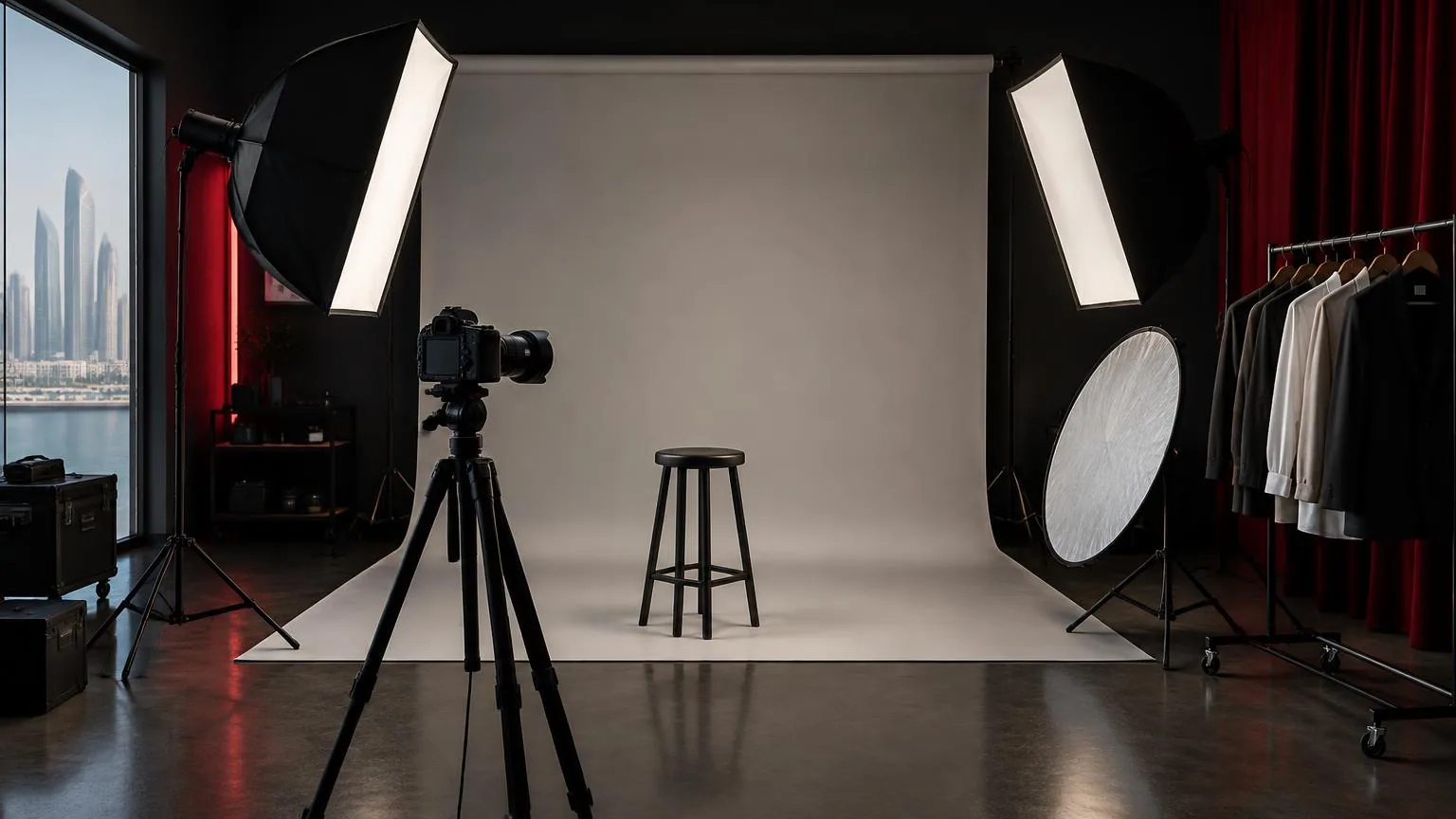
Blog / Uncategorized
Corporate Headshots in Abu Dhabi: Preparation Guide
A useful corporate headshot looks like the person colleagues and clients will meet. To prepare for a session in Abu Dhabi, decide where the image will appear, choose clothing that fits the role, allow enough time to settle and discuss how the portraits should feel. Consistent lighting and framing help a team look coherent without making everyone look identical. Preparation is less about rehearsing a perfect smile and more about removing distractions so each person can present naturally.
Start with the images' actual destinations
Ask whether the portraits will be used on a company website, LinkedIn, press release, speaker biography or internal directory. Each destination can require a different crop. A square profile picture may cut away a shoulder that looks good in a wide web banner. Tell the photographer where the face needs to sit in the frame and whether space is needed around it for design. If one image must cover several channels, request a crop-safe composition and check examples before photographing the full team.
For a group of employees, agree on a visual standard: backdrop, lighting, approximate camera height and framing. This does not mean prescribing everyone's expression. Decide whether the desired impression is formal, warm or somewhere between the two. Show the team an approved example and explain which aspects must remain consistent. A style guide is particularly helpful when new hires will be photographed on another day or at a different office.
What to wear for a corporate headshot
Choose clothing that suits the job and the image's purpose. A plain shirt or jacket often photographs more predictably than tiny stripes or highly reflective fabric. A uniform can be appropriate for a role where clients expect to see it. Avoid arriving in something that feels so unfamiliar that you spend the session adjusting it. Check collars, fit and sleeves. If you are unsure, bring two suitable options and ask which works better with the backdrop and lighting before the first frame.
Consider contrast with the selected background. A dark shirt on a dark backdrop may need careful separation, while a very bright garment can draw attention away from the face. Logos, bold slogans and trendy patterns may date an image or conflict with company branding. Jewellery and glasses can stay if they are part of how the person normally appears; the photographer can adjust lighting to control reflections. Aim for an accurate representation, not a disguise constructed for a single photograph.
Prepare hair and grooming without overthinking it
Arrive with hair and grooming as you would want colleagues to see them on an ordinary professional day. Small flyaways or a jacket crease can often be corrected on set, but major styling changes immediately before a shoot can make someone feel unlike themselves. If a makeup artist is involved, brief them on the natural level of finish the company wants. Retouching should preserve recognizable features and skin texture rather than changing a person's identity.
Allow time for practical checks: remove a lanyard, inspect a collar, clean glasses and empty bulging pockets. Bring a lint roller if clothing is likely to collect dust. These details are easier to fix before the shutter than after the whole team has been photographed. For outdoor or on-location headshots in Abu Dhabi, consider wind, heat and travel from the office to the setup. A quiet indoor position can make scheduling and consistency easier for a large team.
Choose between a studio and an office setup
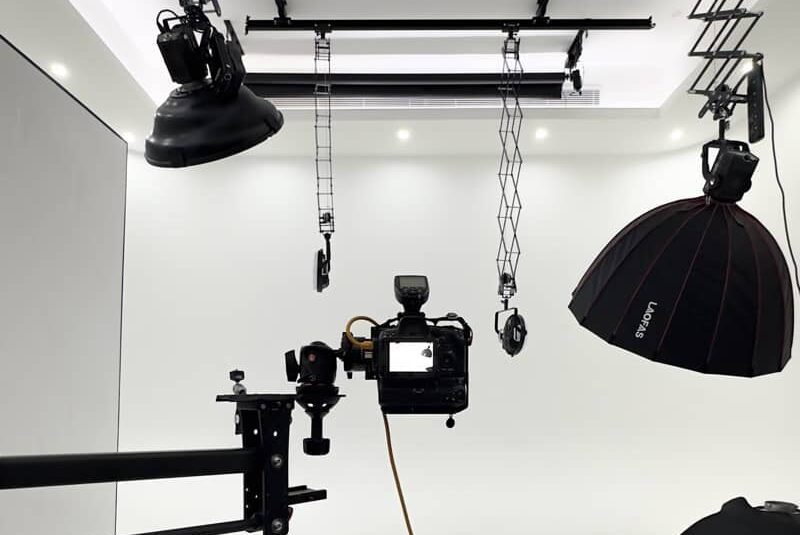
A studio provides controlled light and backdrop and can help keep the session consistent. An office setup can reduce travel and make it easier to photograph many employees around their workday. For an office shoot, the photographer needs space for camera, lights, background and safe movement. Identify a quiet area with sufficient power and enough room to separate the subject from the backdrop. Do not assume a small meeting room will fit a full portrait setup just because a person can stand in it.
If the company wants environmental portraits, show something meaningful about the workplace without allowing a busy background to compete with the subject. Check confidentiality: screens, visitor names and sensitive paperwork should not appear by accident. Natural window light may be useful, but it changes across a long shoot. Controlled lighting helps preserve consistency from the first employee to the last, particularly when sessions span several hours.
Make space for a relaxed expression
Most people do not pose for headshots regularly. A good session gives them a moment to adjust posture and talk with the photographer before selecting a frame. Stand or sit comfortably, breathe normally and vary the angle slightly. A small change to shoulder position can make a picture feel more open without looking staged. Do not force everyone into the same smile; a confident neutral expression may suit one role while a warmer smile suits another.
Ask for brief feedback during the session. If a person sees an image and dislikes the jacket, it is better to adjust it then than to discover the concern during final selection. Photographers can guide eye line, chin position and hand placement. The subject does not need to memorize a pose. For people who wear glasses, test a few positions to avoid distracting reflections while preserving the natural appearance they use every day.
Schedule a whole team fairly
Create a time slot for each person and allow a buffer for delays or wardrobe changes. If several departments use different offices, group appointments logically so the lighting setup stays stable. Share clothing and arrival guidance before the shoot, not in the queue. Appoint one company contact to confirm names, titles and final image choices. That prevents a photographer from guessing which file belongs to which person after a busy day.
Check staff availability and obtain appropriate permission for use on the intended channels. An employee may be comfortable with an internal directory portrait but need clarification about press or advertising use. Decide how images will be handled when someone leaves the organisation. These questions are part of a reliable corporate photography brief, even though they do not change the lighting. Keep image selection organized using file references and verified names.
Review for consistency and authenticity
When selecting final photographs, compare the whole set. Look for consistent brightness, backdrop tone, framing and sensible retouching. Avoid polishing one executive portrait so heavily that it looks unrelated to the rest of the team. Check the approved crop at real display sizes, including a small mobile profile image. The chosen frame should still resemble the person when seen quickly by a client. If the company needs both colour and monochrome versions, agree which is primary.
Provide the photographer with the desired formats and dimensions before delivery. Store final images with clear filenames rather than anonymous camera numbers. If a company redesign later changes the website crop, retaining an approved high-resolution version allows a new export without reshooting. Document the style for future employees. A consistent team portrait library is built through repeatable decisions rather than one unusually elaborate photo day.
Book with a clear Abu Dhabi brief
BarCoe Studios' Abu Dhabi photography page and photo production service describe studio and on-location portraits. Send the number of people, preferred backdrop, intended channels and desired scheduling window when enquiring. The studio-location guide offers further context; the product photography guide shows how a different commercial brief changes the setup. For headshots, prioritize a comfortable session and honest images that people will recognize.
Help people use their portraits
Deliver a short guide explaining which export is intended for the website, social profile and press use. Include the agreed name spelling and note whether a file has room for a wider crop. If an employee needs an alternate expression, arrange that during the review stage rather than replacing a portrait with an unapproved casual snapshot. Ask the team contact to confirm that every participant has a usable image before the session is considered closed. A simple handover makes the portraits more likely to be used consistently across channels, including future profiles created by people who were not at the shoot.
Frequently asked questions
What should I wear for a corporate headshot?
Wear clothing that fits your role and feels familiar. Plain, well-fitting options usually photograph predictably; bring an alternative if unsure.
Can an entire team be photographed at the office?
Yes, if the room accommodates lights, backdrop, camera, safe movement and consistent conditions across appointments.
How do I prepare for a headshot session?
Confirm where the image will appear, check clothing and grooming, arrive on time and allow a moment to settle into a natural expression.
Should everyone use the same pose?
Keep lighting, framing and backdrop consistent while allowing each person a comfortable expression and slight pose variations.
Which files should the company request?
Ask for approved images in dimensions suited to web, social and press use, with clear file names and a crop-safe original.
Arrange individual or team portraits through BarCoe Studios' Abu Dhabi photography service.