

Blog / Uncategorized
Audio Engineer Jobs in Dubai: The Skills Employers Look For
The demand for skilled professionals to fill audio engineer jobs in Dubai and Abu Dhabi is driven by a constant schedule of live events, corporate productions, and studio recordings. Employers in this region look for candidates who can demonstrate both technical expertise and a high level of professionalism. To succeed, an engineer must be prepared for the fast paced nature of the industry and possess a diverse set of skills that go beyond just knowing how to use a mixer.
Mastery of Signal Flow and Hardware

One of the most fundamental skills for any audio engineer is a deep understanding of signal flow. This involves knowing exactly how an audio signal travels from a microphone or instrument through cables, mixers, and processors to the final speakers or recording device. Employers expect engineers to be able to set up complex systems and identify where a break in the signal is occurring. Mastery of various hardware, including both digital and analog consoles, is essential. Understanding the specific gain structure of a system ensures that the audio remains clean and free of distortion. Comfort with a variety of connection types, from balanced XLR lines to digital MADI or AES/EBU connections, is essential. Knowing the limits of different cables and how to prevent interference is a basic requirement. Employers also value the ability to read and create system diagrams, which provide a visual map of the audio routing. This technical foundation allows an engineer to work in any environment, whether it is a small broadcast studio or a massive outdoor festival stage.
Proficiency in Live Mixing and Stage Management
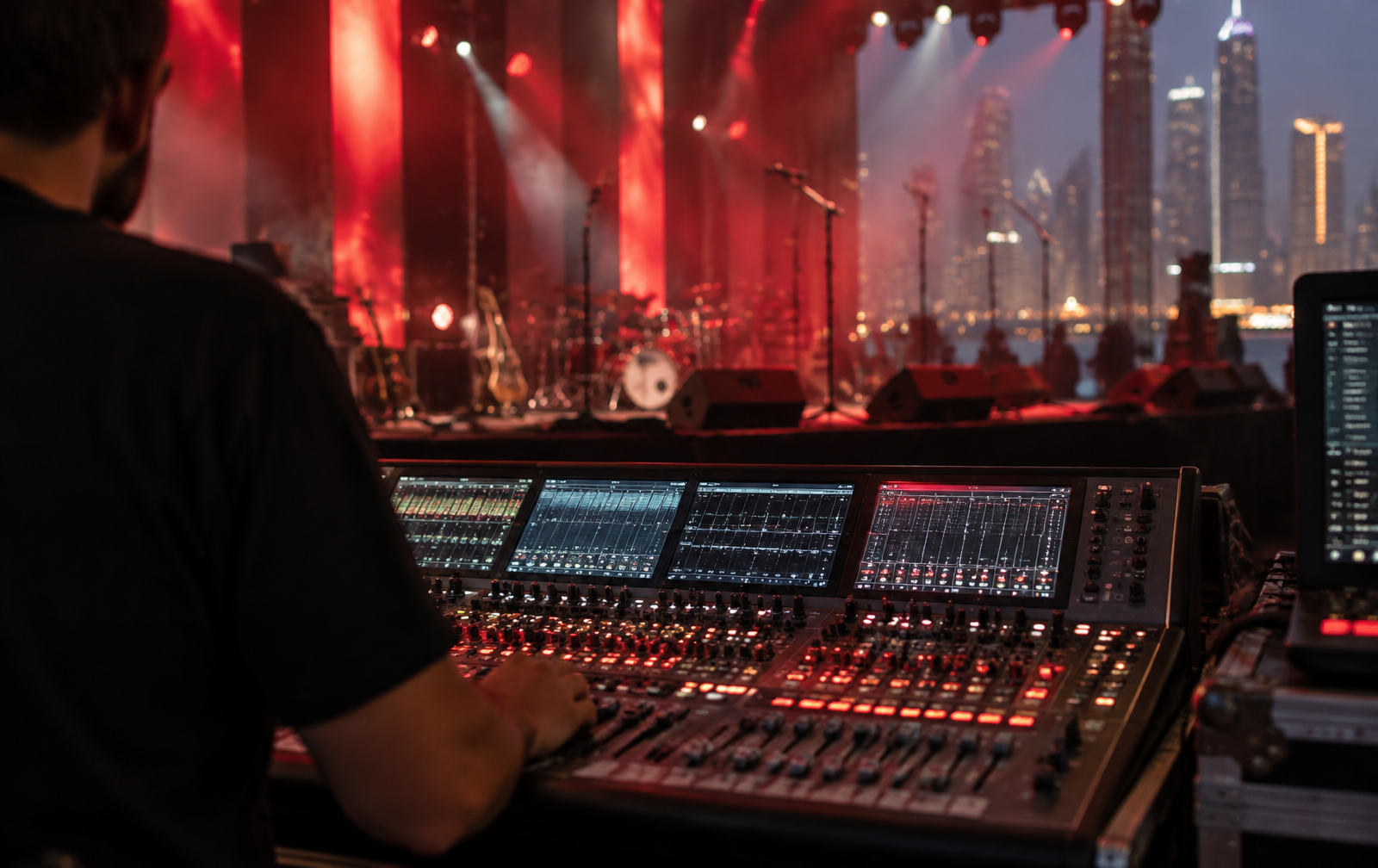
For live sound roles, the ability to mix in real time is crucial. The work includes managing front of house sound for the audience and monitor mixes for the performers. Engineers must respond quickly to changes on stage and ensure that every element of the performance is heard clearly. Stage management skills, such as organizing microphone cables and ensuring the stage is safe, are also highly valued. Attending a live sound workshop for audio engineers can help develop these high pressure skills in a controlled environment. A live sound engineer must also have a good sense of musical balance and be able to create a pleasing mix in challenging acoustic environments. They must be proactive in managing the stage, ensuring that all equipment is correctly placed and that the artists have everything they need for a successful performance. This requires a sharp ear and the ability to make split second decisions that affect the experience of thousands of listeners.
Technical Communication and Documentation
Clear communication is a vital part of the job. Audio engineers must be able to talk to artists, event managers, and other technicians to ensure the production runs smoothly. This includes the ability to explain technical concepts to non technical people. Documentation is another important skill; engineers often need to create input lists, stage plots, and equipment manifests. Accurate documentation helps the entire team stay organized and ensures that everyone knows their role during a production. Employers value engineers who are organized and can keep clear records of their work. In the UAE's multicultural work environment, the ability to communicate effectively with people from different backgrounds is essential. An engineer who can provide clear, concise instructions to the crew and polite, helpful guidance to the talent is a valuable asset to any production. Keeping a detailed log of settings and changes during a show or session is also vital for consistency, especially in multi day events.
Advanced Microphone Techniques
Selecting and placing microphones is an art form in itself. A professional engineer knows which microphone to choose for a specific instrument and how to position it to get the best possible sound. This includes understanding polar patterns, such as cardioid, omnidirectional, and figure eight, and how they affect sound rejection and capture. Employers look for engineers who can handle diverse recording situations, from intimate vocal sessions to loud drum kits or orchestral ensembles. Knowing how to use stereo miking techniques like X-Y, ORTF, or Mid-Side can add a new dimension to a recording or live mix. The ability to minimize bleed between microphones on a crowded stage is a technical necessity that requires experience and careful planning. This level of expertise ensures that the captured audio is of the highest quality before any processing is even applied.
Preparation and Troubleshooting
A successful audio engineer is always prepared. This means arriving early, checking all equipment before the start of a show, and having a backup plan for when things go wrong. Troubleshooting is perhaps the most critical skill during a live event. When a microphone stops working or a speaker fails, the engineer must be able to diagnose and fix the problem in seconds. Solving those faults demands a calm head and a logical approach. Being prepared for the unexpected is what separates a professional engineer from an amateur. An engineer should always carry a basic toolkit, including cable testers, multi tools, and spare connectors. They should also be familiar with the internal diagnostic tools of digital consoles and networking software. The ability to quickly identify a faulty cable or a routing error can be the difference between a successful event and a major technical failure. Employers prioritize reliability and the ability to work under pressure above all else.
Audio Networking and Digital Protocols
The industry has moved heavily towards digital networking, and knowledge of protocols like Dante is now a standard requirement for many audio engineer jobs in Dubai. Dante allows for the distribution of hundreds of channels of uncompressed, low latency audio over a standard Ethernet network. Engineers who understand how to configure network switches and manage digital routing have a significant advantage. Such knowledge is essential in modern venues and large scale festival environments where traditional analog cabling is no longer practical. Being able to set up a redundant network that ensures the audio signal is never lost is a key skill for high stakes productions. Engineers must also be familiar with other protocols such as AVB or Ravenna and understand how to integrate different digital systems. As venues in the UAE become more technologically advanced, the demand for networking savvy engineers continues to rise. This is a field that requires constant study to stay updated with the latest software versions and hardware capabilities.
Studio Production and Post Production Skills
While live sound is a major sector, studio work is also a significant part of the industry. Skills in audio production include recording, editing, and mixing in a studio environment. Studio work calls for proficiency in digital audio workstations and an ear for detail. Employers look for engineers who can deliver high quality mixes that meet professional broadcast or streaming standards. Understanding how to use plugins, compressors, and equalizers to enhance a recording is a key part of the studio workflow. Being versatile enough to handle both live and studio work makes an engineer much more employable. In the post production world, engineers may also be responsible for sound design, foley, and ADR for film and television. This requires a different set of creative skills and a deep understanding of how audio supports visual storytelling. Delivering projects on time and to the specific technical requirements of a broadcaster or streaming platform is a hallmark of a professional studio engineer.
Teamwork and Professional Conduct
Audio engineering is rarely a solo job. Engineers must work as part of a larger production team that includes lighting technicians, video operators, and stagehands. Being a team player and having a positive attitude is essential for long term success. Professional conduct also involves respecting the venue, the equipment, and the performers. In the UAE, where the industry is relatively small, building a good reputation for being reliable and easy to work with can lead to more job opportunities and recommendations. An engineer should be punctual, well dressed for the occasion, and respectful of the rules and regulations of the facility. The ability to handle difficult personalities with grace and maintain focus on the job at hand is a vital soft skill. A positive reputation travels fast in the industry, and being the person that people enjoy working with is just as important as being the person who knows the gear inside out.
Hearing Protection and Safety Standards
Lastly, a professional engineer must prioritize safety. Safety covers personal measures, such as hearing protection, as well as the wellbeing of others. Prolonged exposure to loud sound can cause permanent hearing damage, so using high quality earplugs and monitoring volume levels is vital. Engineers must also be aware of electrical safety and the proper way to secure equipment to prevent accidents. Employers look for engineers who follow best practices and maintain a safe working environment for everyone involved in the production. This includes knowing how to safely lift heavy equipment and how to secure cables to prevent tripping hazards. Following health and safety guidelines is not just a legal requirement but a professional responsibility. An engineer who takes safety seriously protects the artists, the audience, and the longevity of their own career. By maintaining high standards of safety and professionalism, you contribute to the overall quality and reliability of the UAE creative industry.
Frequently asked questions
What is the most important skill for an audio engineer in Dubai?
Troubleshooting is one of several core skills for live audio work. Engineers need to trace signal flow, test likely causes methodically, communicate clearly, and stay calm while protecting the production. The precise priorities depend on the role and employer.
Do I need to know Dante to get an audio job?
Dante knowledge is relevant to roles that use networked audio, but requirements differ by employer and system. Being able to explain routing, clocking, redundancy, addressing, and troubleshooting can strengthen an application for roles involving digital audio networks.
What kind of companies hire audio engineers in the UAE?
Audio roles can appear across events, media production, broadcast, recording, venues, and technical suppliers. Job titles and responsibilities vary, so applicants should review current vacancies and the actual systems, schedules, and duties listed by each employer.
Is a portfolio necessary for audio engineering jobs?
Yes, a portfolio is a key tool for landing audio engineer jobs. It should showcase your best work, including recordings you have mixed, live events you have engineered, or sound design projects. Providing clear examples of your technical ability gives employers confidence in your skills. A portfolio acts as a visual and auditory resume of your professional experience.
How can I improve my live mixing skills?
Improve live mixing through deliberate practice: prepare input lists, build gain structure, test monitor workflows, compare microphone positions, and review recordings after each session. A live sound workshop at BarCoe Studios provides a structured place to practise relevant console and stage skills.
Prepare for your next career move by gaining hands-on experience in our live sound workshop for audio engineers at BarCoe Studios.